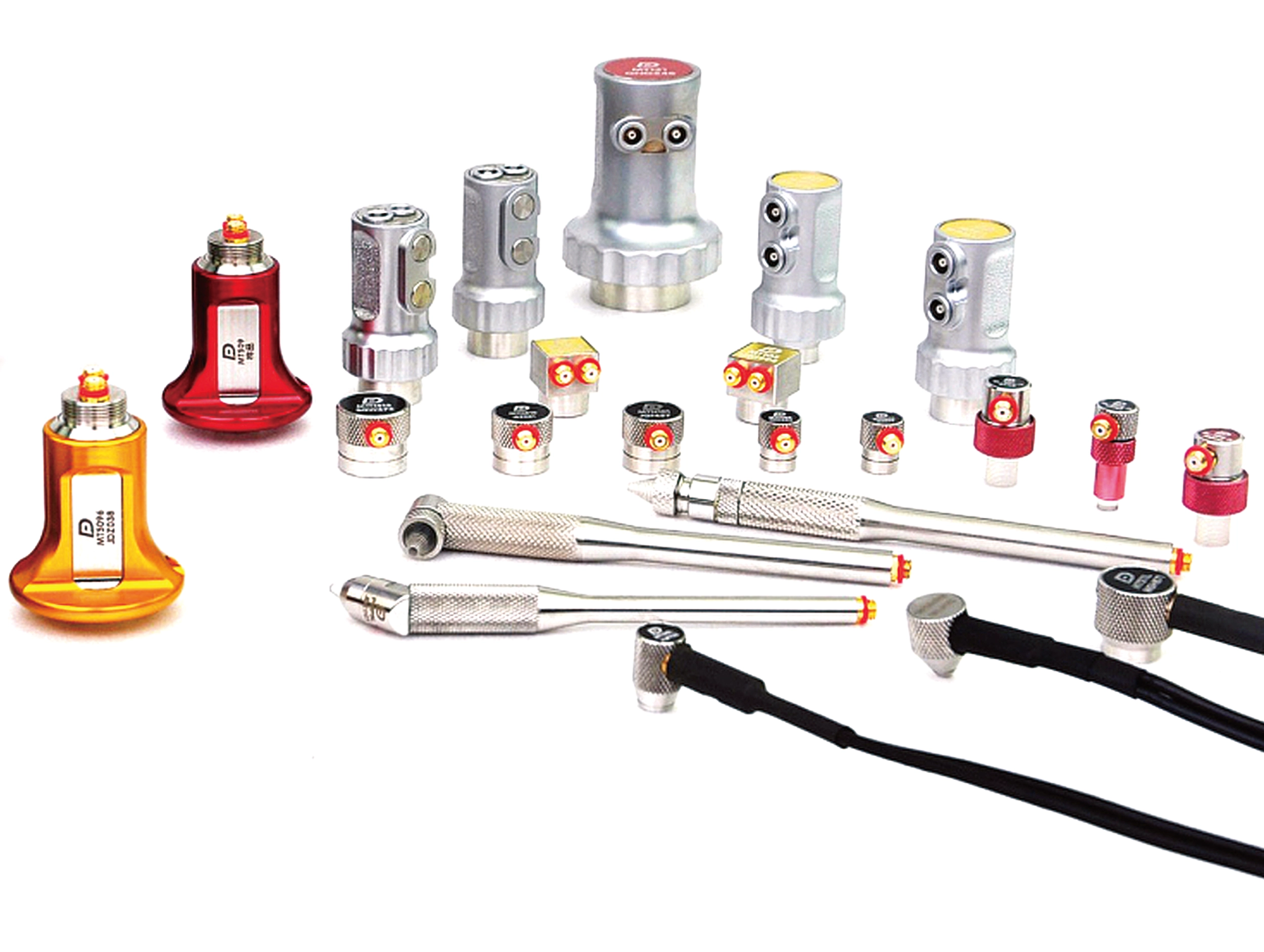
PCTE offers state-of-the-art ultrasonic testing equipment designed for non-invasive inspections and precise measurements. Our ultrasonic testing machines provide accurate data for detecting material flaws, measuring thickness, and assessing structural integrity in various industries. Whether you're looking for NDT ultrasonic testing tools for concrete, metals, or composites, PCTE has the equipment you need for reliable, fast, and efficient inspections.
Top Reasons to Choose PCTE for Ultrasonic Testing Equipment
PCTE is a leading provider of high-performance ultrasonic testing equipment, trusted by professionals in a variety of industries. Our ultrasonic inspection equipment ensures accurate, real-time results with minimal disruption to the material being tested. We offer a comprehensive range of ultrasonic testing machines designed for both field and laboratory use.
-
Advanced Technology: Our ultrasonic testing equipment uses the latest technology to provide high-resolution scans for detecting internal defects, measuring thickness and more.
-
Portable and User-Friendly: Designed for ease of use in the field, our ultrasonic testing machines are lightweight and portable, making on-site testing more efficient.
-
Wide Application: From metal to concrete and plastics, our ultrasonic inspection equipment is versatile enough to be used across multiple industries, including construction, manufacturing and aerospace.
-
Accurate and Reliable: PCTE’s NDT ultrasonic testing equipment delivers precise measurements, ensuring you can trust the results for critical inspections.
-
Comprehensive Support: We offer expert advice, training and technical support to help you get the most out of your ultrasonic testing equipment.
Ultrasonic Testing: Why Choose It for Your Inspection Needs?
Ultrasonic testing is a non-destructive testing (NDT) method that uses high-frequency sound waves to evaluate the internal structure of materials. Ultrasonic testing machines are used to detect cracks, voids, and corrosion, as well as to measure material thickness. This method is widely used across industries such as aerospace, automotive, and construction, where structural integrity is critical.
NDT ultrasonic testing is particularly effective because it provides immediate, real-time results without damaging the material. It can be used on a variety of materials, including metals, composites, plastics, and concrete, making it a versatile choice for both quality control and preventive maintenance. Using ultrasonic testing equipment ensures your materials meet the required standards for strength, durability, and safety.
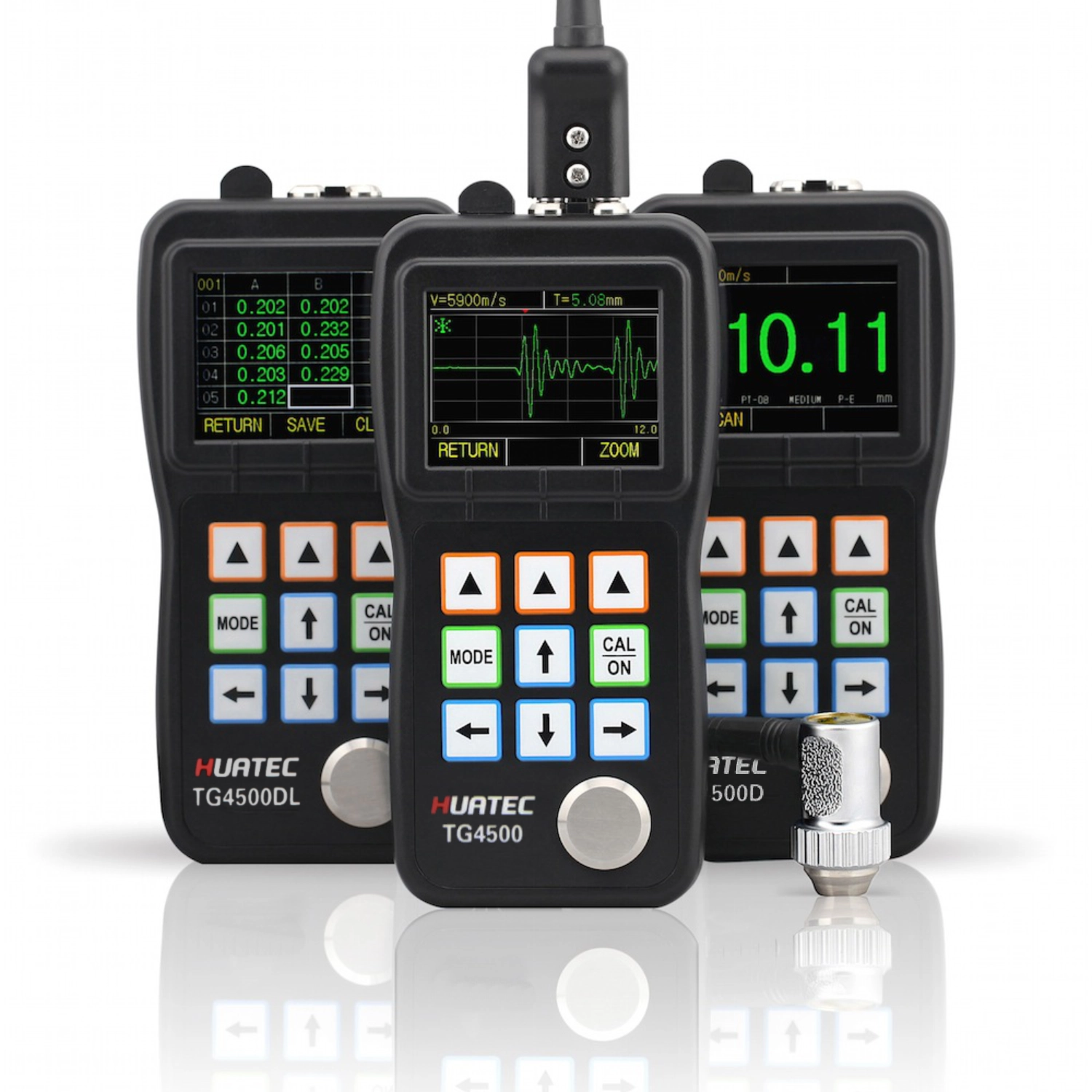
From the handheld ultrasonic TG4500 thickness gauge to the high-resolution Echo Pro flaw detector, we have ultrasonic testing machines ideal for all kinds of structural integrity assessments.
Explore More
Explore our high-performance products designed for professionals in construction, manufacturing, and engineering:
-
Construction Testing Instruments & Tools: We offer a wide range of construction testing instruments for precise, efficient testing of materials used in construction projects.
-
Software Solutions: By using our testing software, you can significantly increase productivity and improve workflow efficiency.
-
CMT Laboratory Equipment: Our CMT laboratory equipment is designed to handle a variety of material testing applications, from soil and concrete to aggregates and asphalt.
-
GPR Equipment: Our GPR equipment is used to locate and map underground utilities, structural elements and potential anomalies within concrete, asphalt, and other materials.
Warranty & Returns
PCTE provides a comprehensive warranty on all ultrasonic testing equipment to ensure high-quality and reliable performance. If your equipment is defective, please get in touch with us during the warranty period to arrange a replacement or repair. Returns are accepted within 7 days for unused equipment in its original condition. For more details, please refer to our Warranty & Returns Policy.
Shipping & Delivery
PCTE offers fast and reliable delivery for all ultrasonic testing equipment. We aim to deliver your equipment as quickly as possible, with estimated delivery times provided at the time of purchase. For further details, refer to our Shipping & Delivery Policy.
FAQs
What are the main components of a UT system?
Transducer/Probe: Sends and receives ultrasonic waves.
Pulser-Receiver: Generates and receives the electrical pulses.
Display/Computer Interface: Shows real-time data and test results.
Cables: Connect the transducer to the pulser-receiver for data transmission.
What is the difference between a flaw detector and a thickness gauge?
A flaw detector is used for detecting internal defects, such as cracks or voids, within a material. It provides detailed information about the location, size, and nature of the defect. A thickness gauge, on the other hand, is primarily used to measure the thickness of materials, such as metal or plastic, to assess wear and corrosion. Both tools use ultrasonic testing equipment but serve different purposes in material inspection.
How does ultrasonic testing work?
Ultrasonic testing works by sending high-frequency sound waves into a material. These waves travel through the material and reflect when they encounter a boundary, such as a crack or void. The time it takes for the waves to return is measured, providing information about the material’s thickness, density, and any internal defects.
What are the benefits of using ultrasonic testing?
Non-destructive: No damage is caused to the material being tested.
Real-time results: Immediate feedback on the condition of the material.
Versatile: Can be used on a wide range of materials and applications.
Accurate: Provides precise measurements and defect detection.
Portable: Many ultrasonic testing machines are portable and suitable for on-site inspections.
Can ultrasonic testing detect all types of material defects?
While ultrasonic testing is highly effective at detecting many types of defects, such as cracks, voids, and corrosion, it is not suitable for detecting all types of defects. For example, it may not detect surface-level defects as effectively as other methods like magnetic particle testing. However, for internal defects, ultrasonic testing remains one of the most reliable and accurate NDT methods.
How do I maintain my ultrasonic testing equipment?
Regularly cleaning probes and cables.
Ensuring that all components are free from corrosion or damage.
Calibrating the equipment according to the manufacturer’s guidelines.
Storing the equipment in a dry, safe place when not in use.
Routine maintenance helps ensure the longevity and accuracy of your ultrasonic inspection equipment.
%20vector%20logo.svg)